Collection: Alphabet & Counting Toys
Alphabet and counting toys turn letters and numbers into something kids can touch, move and build — the fastest way to grow early literacy and math confidence without a worksheet or a screen in sight. Little Cubs' range spans first-letter recognition through early addition and subtraction.
Why hands-on beats worksheets
Young children learn letters and numbers by doing, not by drilling. Physically matching a letter, stacking a number, or building the answer to a sum makes abstract symbols concrete — which is exactly why teachers reach for math manipulatives and alphabet tiles. It also sidesteps the number-one thing parents tell us they want to avoid: tears and "math anxiety." When there's no wrong answer and the pieces are in their hands, kids stay curious and keep going.
Choosing by age
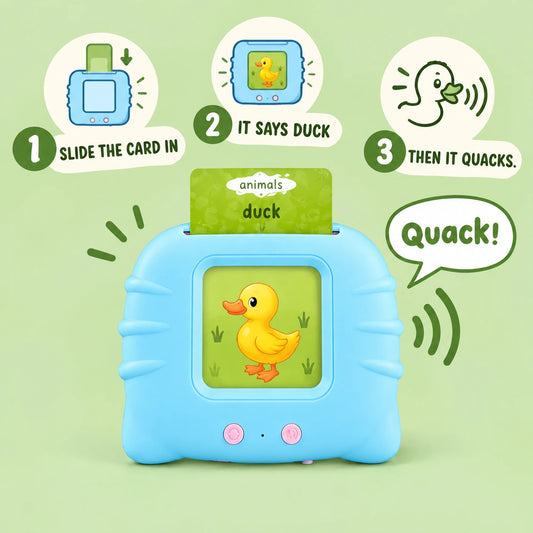
For 2–3 year olds, start with letter and number recognition — chunky matching games and audible flash cards. For 3–4 year olds, add counting, sorting and one-to-one correspondence. For 4–6 year olds, move into early addition, subtraction and telling the time. Every toy here is screen-free, built to be handled, and designed to grow with your child.
Frequently asked questions
What age should a child learn letters and numbers? Most children begin recognising letters and counting from around age 2–3, with early addition and subtraction from 4–6 — but play-based tools let each child move at their own pace.
Do these help with math confidence? Yes — hands-on, low-pressure play is one of the best ways to build number confidence and head off math anxiety before school.
Keep exploring: Montessori Toys · Wooden Puzzles for Kids · Educational Toys for Toddlers.

-
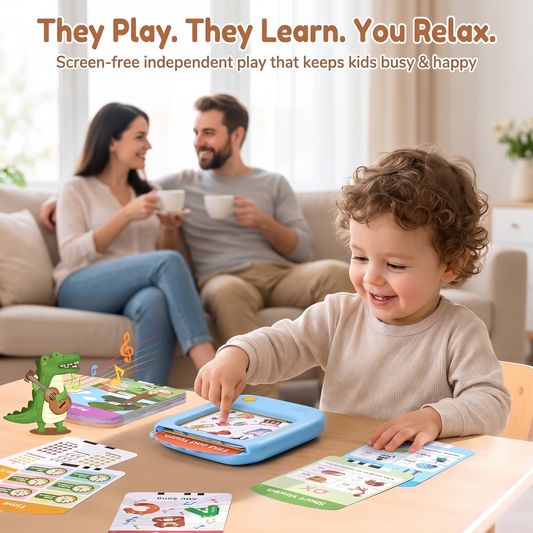
Talking Flash Cards for Toddlers — 224 Words, Says the Word & the Sound
Regular price $22.99Regular price $22.99 Sale priceUnit price per$45.9950% -
Little Cubs Talking Phonics Learning Tablet
Regular price $29.99Regular price $29.99 Sale priceUnit price per$39.9925% -
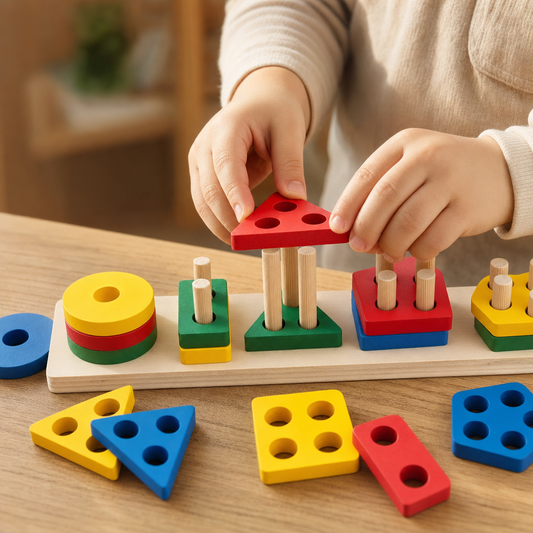
Montessori Shape & Count Sorting Board — Five Graded Columns, Ages 1–4
Regular price $24.99Regular price $24.99 Sale priceUnit price per$33.9926% -
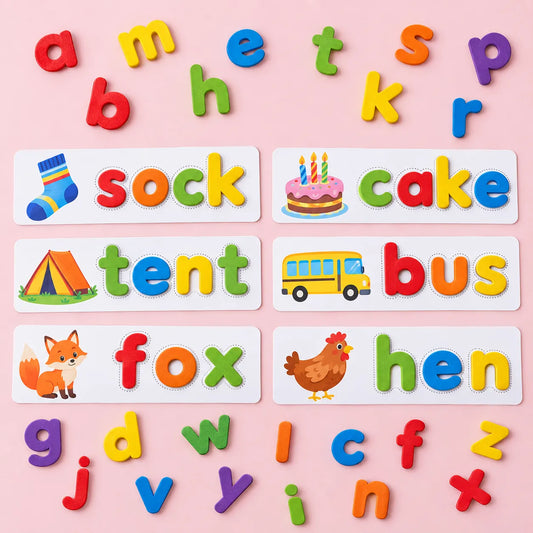
Montessori Spelling Game — 28 Picture Cards & Wooden Letters, Ages 3–6
Regular price $22.99Regular price $22.99 Sale priceUnit price per$53.9957% -
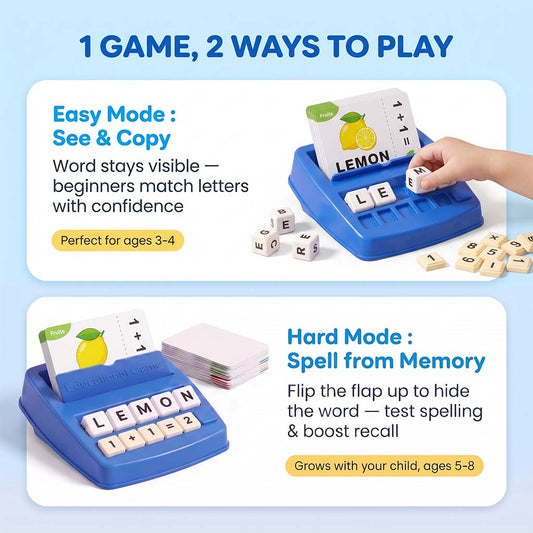
Word & Maths Learning Game — Spelling Cubes, Number Tiles & 32 Picture Cards, Ages 3–8
Regular price $29.99Regular price $29.99 Sale priceUnit price per$39.9925% -
Montessori Catch the Worms — Wooden Magnetic Fishing & Counting Game, Ages 3–6
Regular price $34.99Regular price $34.99 Sale priceUnit price per$46.9925% -
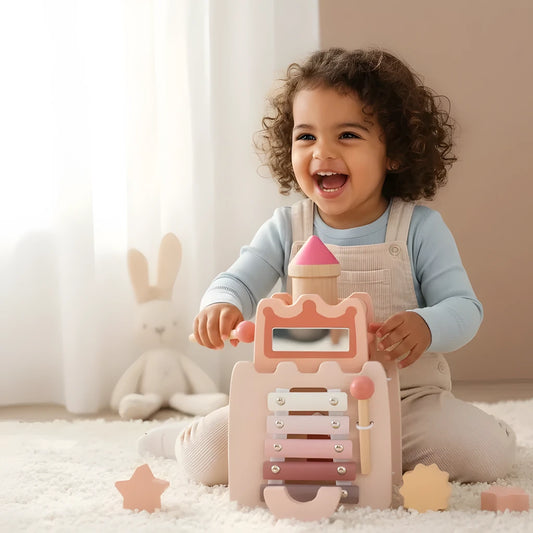
Montessori Learning Castle — 5-in-1 Sorter, Xylophone & Abacus, Ages 2–5
Regular price $63.97Regular price $63.97 Sale priceUnit price per$85.9925% -
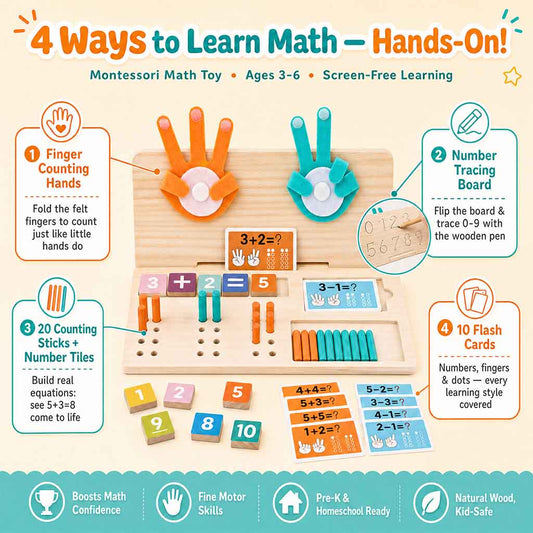
Preschool Math Toy — Montessori Finger Counting & Addition Board, Ages 3–6
Regular price $29.99Regular price $29.99 Sale priceUnit price per$39.9925%